What Is Neuropathy
Neuropathy, often referred to as peripheral neuropathy, occurs when nerves outside the brain and spinal cord become damaged. This can disrupt communication between the brain and body, leading to pain, numbness, and weakness—especially in the hands and feet.Understanding neuropathy is important because early diagnosis and treatment can help reduce symptoms and prevent further nerve damage.
Neuropathy is a broad term used to describe nerve damage. The peripheral nervous system controls sensation, movement, and automatic bodily functions. When these nerves are damaged, signals may become distorted or interrupted.
Common types include:
Peripheral neuropathy (hands and feet).
Autonomic neuropathy (internal organs).
Proximal neuropathy (hips, thighs, buttocks).
Focal neuropathy (single nerve damage).
Symptoms of Neuropathy
Symptoms vary depending on the nerves affected and may develop gradually or suddenly.
Common symptoms include:
Tingling or “pins and needles.”
Burning or sharp pain.
Numbness in hands or feet.
Muscle weakness.
Sensitivity to touch.
Balance and coordination problems.
More severe cases may also cause:
Digestive issues
Blood pressure changes
Bladder problems
Causes of Neuropathy
Neuropathy has many possible causes, with diabetes being the most common.
Other causes include:
Vitamin deficiencies (especially B12)
Infections (Lyme disease, shingles, HIV)
Autoimmune disorders.
Alcohol misuse.
Exposure to toxins.
Chemotherapy and certain medications.
Sometimes, the cause is unknown (idiopathic neuropathy).
How Neuropathy Is Diagnosed
Doctors typically use a combination of tests to diagnose neuropathy:
Physical and neurological exams.
Blood tests.
Nerve conduction studies
Electromyography (EMG).
Early diagnosis can help slow progression and improve symptom control.
Treatment Options for Neuropathy
wHile neuropathy cannot always be cured, treatment can help manage symptoms and improve quality of life.
Medical Treatments
Prescription medications (gabapentin, pregabalin)
Pain-relief creams
Antidepressants for nerve pain
Managing underlying conditions like diabetes
Lifestyle Changes.
Regular exercise.
Balanced diet rich in vitamins.
Reducing alcohol intake.
Quitting smoking.
Natural Remedies.
Vitamin B12 and alpha-lipoic acid supplements.
Physical therapy.
Massage or acupuncture.
Proper foot care.
Can Neuropathy Be Reversed?
Some types of neuropathy can be reversed, especially if caused by vitamin deficiencies or toxins. However, chronic conditions often require long-term management rather than a complete cure.
When to See a Doctor
Seek medical advice if you experience:
Ongoing numbness or tingling
Sudden or severe nerve pain
Muscle weakness
Difficulty walking or balancing.
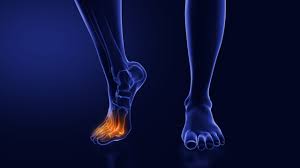
Early treatment can prevent complications and further nerve damage.
FAQ
What is the main cause of neuropathy?
Diabetes is the leading cause, but neuropathy can also result from vitamin deficiencies, infections, and autoimmune diseases.